
A new roof does more than protect your home. It can boost your sale price and attract more buyers. Most homeowners recoup 60% to 70% of their roofing investment at resale. That’s a solid return for an exterior upgrade. But the real value goes beyond the numbers. A new roof signals care and quality. It removes a major objection for buyers. This guide breaks down the costs, returns, and hidden benefits. You’ll know exactly how a roof replacement ROI.
The Hard Numbers: What a New Roof Adds to Your Home Value
The data on roof ROI is consistent. A new asphalt shingle roof adds about $15,247 to a home’s resale value, according to the Remodeling Magazine Cost vs. Value Report. The average replacement costs between $8,000 and $20,000 for a typical single family home. That puts the ROI at roughly 61% to 68% for asphalt shingles.
Some sources report slightly different numbers. Angi places the average ROI between 48% and 57% for most homeowners. Zillow cites a 57% ROI based on a $30,600 average cost for asphalt shingle replacement. The variation depends on location, materials, and market conditions. But the takeaway is clear: a new roof consistently recovers more than half its cost at resale.
Roof Material ROI Comparison
| Material | Average Cost | Estimated ROI |
|---|---|---|
| Asphalt Shingles | $8,000–$20,000 | 57%–68% |
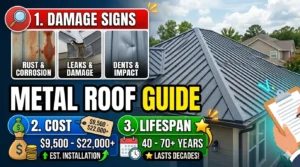
| Metal | $12,000–$30,000+ | 48%–60% |
| Slate | $4,400–$22,000 | ~60% |
| Rubber | $6,000–$18,000 | Up to 70% |
Rubber roofing offers the highest ROI at up to 70%. Slate returns about 60%. Metal roofs typically land around 48%, though they last much longer. The right material depends on your budget, climate, and neighborhood standards.
Why a New Roof Boosts Buyer Confidence
A new roof does more than add dollars to your sale price. It changes how buyers see your entire home.
Curb Appeal That Works Overtime
The roof is one of the first things buyers notice. A clean, modern roof signals a well maintained home. It reduces the mental checklist of “what might be wrong” that buyers carry through every showing. A worn or patchy roof does the opposite. It raises doubts about the whole property.
Fewer Inspection Nightmares
Home inspections are deal breakers. A failing roof is one of the most common reasons for price cuts or failed contracts. FHA and VA loans are especially strict. They can deny financing for homes with visible roof damage. A new roof eliminates this risk entirely. You avoid last minute negotiations and inspection driven price drops.
Insurance and Financing Advantages
Roof age affects more than buyer perception. It factors into appraisals and insurance premiums. Modern roofing materials may also improve energy efficiency, which appeals to cost conscious buyers. Some insurers lower premiums for newer roofs, adding indirect value to the sale.
The Indirect ROI Faster Sales and Fewer Concessions
The direct ROI numbers tell only half the story. A new roof delivers hidden financial benefits that often close the gap.
Faster Sale, Less Holding Cost
Homes with new roofs sell faster. A house with a 20 year old roof often sits longer on the market. Buyers lowball or walk away entirely. A new roof removes that friction. In competitive markets, it becomes a strong selling point. In slower markets, it keeps your home from being passed over. The savings from a quicker sale can be significant.
Fewer Buyer Concessions
Buyers often ask for credits to replace an aging roof. These requests can shave thousands off your final price. A new roof eliminates this negotiation point. You’re more likely to get your full asking price. The National Association of Realtors notes that roofing upgrades are among the exterior improvements buyers notice most during inspections.
Sellers Can Ask 1–3% More
Real estate data shows that sellers who replace their roof before listing can command 1–3% more for their home. On a $400,000 house, that’s an extra $4,000 to $12,000. For a $600,000 home, it could mean $6,000 to $18,000 more. That’s on top of the direct ROI from the replacement itself.
When to Replace: Timing Matters
A new roof only pays off if you time it right. Not every roof needs replacement before selling.
Replace When Your Roof Is Near End of Life
Asphalt shingles typically last 20 to 30 years. If your roof is approaching that age, replacement makes sense. It’s a smart pre-sale investment. Buyers will see an aging roof as a future expense. They’ll subtract that cost from their offer.
Repair When Your Roof Has Life Left
If your roof has 5+ years of remaining life, a full replacement may not be cost effective. A repair or buyer credit at closing might be smarter. You’ll save the upfront cost while still addressing buyer concerns. The rule of thumb: if repair costs exceed 30–40% of replacement cost, replacement is usually the better choice.
Consider Your Local Market
In competitive, higher priced markets, a new roof adds more absolute value. A $600,000 home captures more resale value from a new roof than a $200,000 home. Talk to a local realtor about what buyers expect in your area. Their advice can guide your decision.
Factors That Affect Your Roof’s ROI
Not all roof replacement ROI deliver the same return. Several factors influence how much you’ll recoup.
Roof Size and Complexity
A larger roof costs more but doesn’t add extra ROI percentage. A $6,000 roof might return $2,900 to $3,500. A $15,000 roof might return $7,200 to $8,600. Both are roughly 48–57% ROI. The percentage stays similar, but the dollar amount scales with cost. Complex roofs with multiple peaks also drive up cost without increasing ROI.
Material Selection
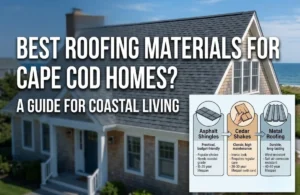
A more expensive roof doesn’t always mean a better ROI. Rubber roofing offers the highest percentage return at up to 70%. Asphalt shingles come next at around 57–68%. Metal roofs return about 48% but last significantly longer. Choose materials that make sense for your home and budget.
Geographic Location
Extreme weather areas see faster roof deterioration. Roofs in milder climates last longer and deliver better ROI. Local building codes and insurance requirements also affect costs. A local roofing contractor can give you the most accurate estimates for your area.
A Roof Replacement Compared to Other Home Upgrades
How does a new roof stack up against other renovations? Here’s a quick comparison:
| Improvement | Typical ROI |
|---|---|
| Garage Door Replacement | ~100%+ |
| Minor Kitchen Remodel | ~75% |
| New Asphalt Roof | 61–68% |
| Bathroom Remodel | ~60% |
A new roof sits in the middle on pure percentage terms. But the indirect benefits often push it higher. It removes a major buyer objection and speeds up the sale. That’s value you can’t easily measure.
Frequently Asked Questions
Does a new roof increase home value enough to justify the cost?
Yes, for most homeowners. A new asphalt roof adds about $15,247 to resale value with an ROI of 61–68%. If your roof is near end of life, replacement is usually a smart investment. The indirect benefits faster sale, fewer concessions, buyer confidence often close the ROI gap even further.
What is the ROI on a roof replacement in 2026?
The ROI ranges from 48% to 70% depending on materials and location. Asphalt shingles return about 57–68%. Rubber roofing can return up to 70%. Metal roofs average around 48% but last much longer.
Should I replace my roof before selling my house?
It depends on your roof’s condition. Replace if your roof is near end of life (20+ years for asphalt) or needs significant repairs. If your roof has 5+ years of life left, consider offering a buyer credit instead. A local realtor can help you decide based on your market.
How much does a new roof add to home value?
A new asphalt roof adds an average of $15,247 to resale value. The exact amount depends on your location, roof size, and materials. In competitive markets, sellers can also ask 1–3% more for their home with a new roof. On a $400,000 home, that’s an additional $4,000–$12,000.
What type of roof gives the best ROI?
Rubber roofing offers the highest ROI at up to 70%. Asphalt shingles follow at 57–68%. Slate returns about 60%. Metal roofs average 48% but provide much longer lifespan. The best choice depends on your budget, climate, and neighborhood standards.