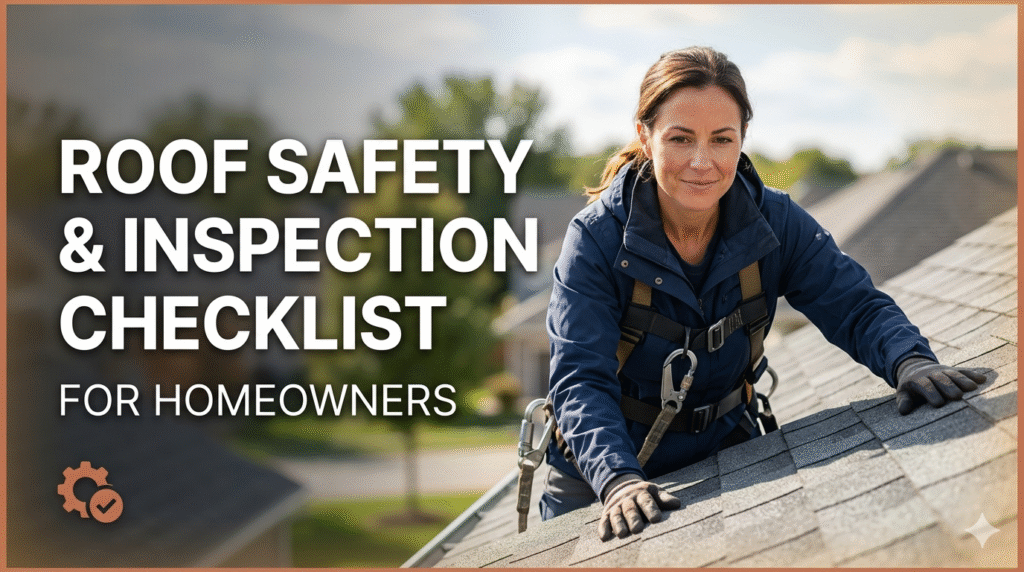
Your roof protects your home from rain, heat, wind, and storms, but most homeowners rarely check it until a problem shows up. By the time water leaks inside, the damage is often already serious and costly. That is why basic roof safety & inspection should be part of every homeowner’s routine.
A simple home inspection roof check can help you find small issues early before they turn into major repairs. Many problems start quietly, like a missing shingle or a small leak around flashing. This guide will help you understand how to check your roof and keep your home safe using a clear and practical roof inspection checklist for homeowners.
Why Roof Safety Is Important
Roof safety is not only about avoiding accidents while checking your roof. It is also about protecting your home from long-term damage.
When you ignore roof problems, they often grow into bigger issues that cost more to fix. Regular checks help you keep your home strong and safe.
Good roof safety helps you:
- Stop water leaks before they spread
- Protect walls, ceilings, and insulation
- Save money on major repairs
- Extend the life of your roof
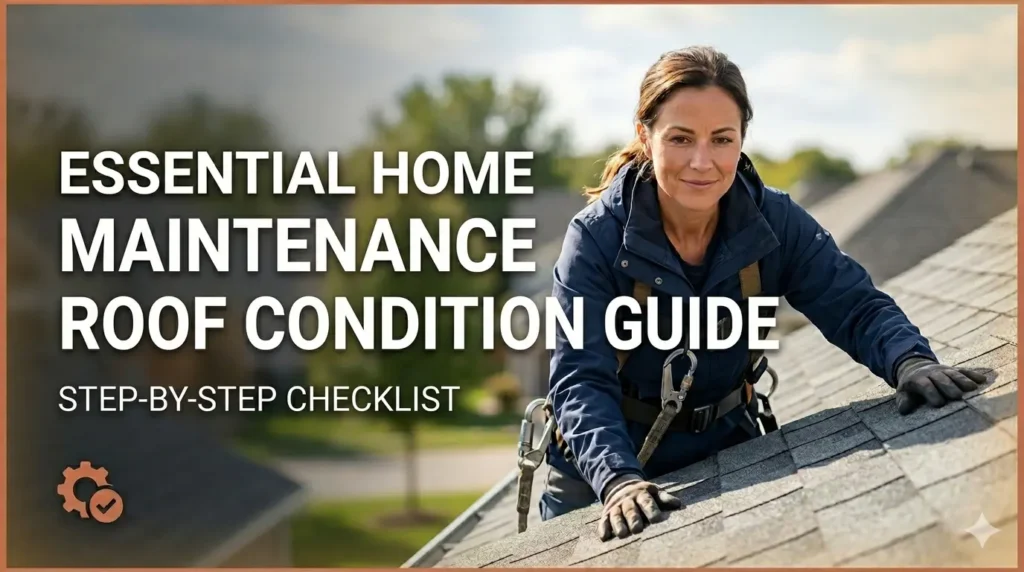
How to Check Roof Condition
You should always keep an eye on your roof condition so you can spot problems early. You do not need special tools for a basic check.
Look for these signs:
- Shingles that are missing, cracked, or curling
- Gutters that overflow or stay blocked
- Dark spots, moss, or algae growth
- Uneven or sagging roof lines
Inside your home, watch for signs like water stains, peeling paint, or a musty smell. These often point to home inspection roof issues that need quick attention.
Roof Inspection Checklist for Homeowners
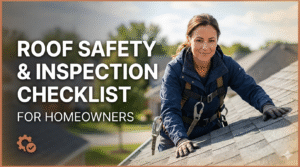
Use this simple checklist to inspect your roof safely and step by step.
1. Check the roof from the ground
Start your inspection from the ground. You can use binoculars if needed.
Look for:
- Missing or broken shingles
- Damaged flashing near chimneys and vents
- Debris like leaves or branches on the roof
- Clogged or overflowing gutters
This step helps you understand the basic roof condition without climbing up.
2. Check inside the home
Your attic and ceilings can show problems before you see them outside.
Check for:
- Water stains on ceilings or walls
- Damp insulation in the attic
- Light coming through the roof boards
- Mold or a strong musty smell
These signs often point to hidden leaks and home inspection roof issues.
3. Watch seasonal changes
The weather affects your roof in different ways throughout the year.
- Spring: Rain can reveal leaks
- Summer: Heat can crack shingles
- Fall: Leaves can block gutters
- Winter: Snow and ice can add heavy pressure
Regular checks help improve overall roof safety in every season.
Common Roof Problems Homeowners Face
Many homeowners see the same problems during inspections. If you catch them early, you can avoid major damage.
Common issues include:
- Broken or missing shingles
- Poor sealing around vents or chimneys
- Blocked gutters are causing water overflow
- Weak roof structure from long-term leaks
- Poor airflow in the attic
These are common home inspection roof issues that often need repair work.
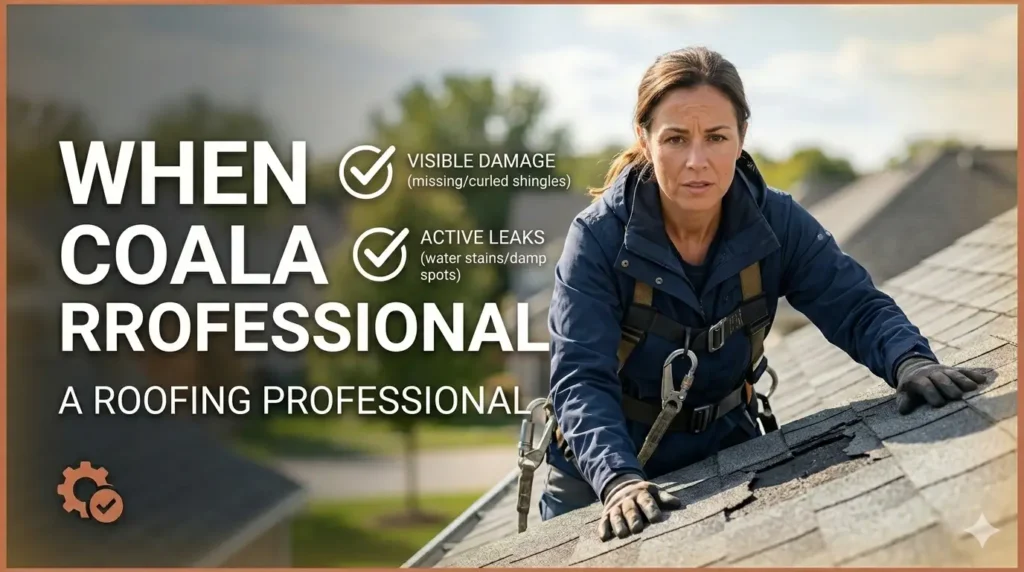
When You Should Call a Roofing Professional
Some problems are too risky or complex to fix on your own. In these cases, call experts like Hitchcock Roofing and Construction for help.
You should call a professional when:
- You see large roof damage
- Leaks continue after small repairs
- Your roof is old or worn out
- You need a full inspection or roof replacement
Professionals can handle roofing repair, roof replacement, siding, windows, and full exterior work to keep your home safe and strong.
Simple Roof Maintenance Tips
Good maintenance keeps your roof strong for many years. You can follow these easy steps:
- Clean gutters twice a year
- Cut tree branches near your roof
- Check your roof after storms
- Replace damaged shingles quickly
- Keep your attic well ventilated
These small actions improve roof safety and help you avoid costly repairs.
Conclusion
Your roof protects your entire home, so you should never ignore it. A simple routine check can save you from major damage and expensive repairs. Use this roof inspection checklist for homeowners regularly to stay ahead of problems.
If you notice damage or want a professional inspection, Hitchcock Roofing and Construction can help. Their team handles roofing repair, roof replacement, and full exterior services with care and experience.
Take action today and protect your home with a strong, safe, and reliable roof.
FAQs
1. How often should I check my roof?
You should check your roof at least twice a year and after heavy storms. This helps you maintain good roof safety and catch problems early.
2. What are early signs of roof damage?
Look for missing shingles, ceiling stains, and clogged gutters. These are common home inspection roof issues that need attention.
3. Can I inspect my roof without climbing on it?
Yes, you can safely inspect from the ground and inside your attic. This gives you a good idea of your roof condition.
4. What happens during a professional roof inspection?
Experts check shingles, flashing, gutters, ventilation, and the full structure to assess the roof condition properly.
5. When should I replace my roof?
You should consider replacement when damage is widespread or your roof is old and keeps causing repeated problems.