Look, Cape Cod is beautiful. But that salt air? It’s brutal on roofs. We see it constantly homeowners get a standard roof installed, watch it fall apart in five years, and call us frustrated. Shingles curling, wood rotting, fasteners rusting out. It’s expensive. It’s avoidable. And honestly, it happens way too often because nobody talked them through the right materials upfront.
Here’s the real talk: your roof is basically your home’s first line of defense against the Atlantic. That’s not something to cheap out on. But there’s so much conflicting advice—”just go asphalt, it’s cheap,” “cedar looks amazing,” “metal lasts forever,” “architectural shingles are the sweet spot.” We’ve installed hundreds of roofs on the Cape over the years. The answer isn’t one-size-fits-all. It depends on your budget, your home, and what you actually value. That’s why we wrote this.
Understanding Cape Cod’s Roofing Challenges
Salt Air and Coastal Protection
Here’s what nobody really explains about salt air: it’s not just rust. It eats through the adhesive holding your shingles together. It corrodes fasteners. It accelerates wood decay faster than you’d think. If you’ve ever left a tool on your porch for a few months, you know what I mean—salt air doesn’t mess around.
We had a customer about three years back who bought the cheapest asphalt shingles on the market to save money. Three years later, granules are washing off in the gutters, the underlying material’s exposed, and he’s got leaks in two rooms. Down the street, his neighbor spent a bit more on quality shingles with enhanced salt air resistance. That roof’s still solid. The difference? Maybe $1,500 upfront. But the cheap roof cost him thousands in water damage.
Local Roofing experts in Barnstable will tell you the same thing: if you’re cutting corners on coastal protection, you’re going to pay twice. Premium materials use better adhesives, corrosion-resistant fasteners, and underlayment actually designed for salt exposure. Yeah, it costs more. But your roof lasts instead of becoming a disaster.
Wind and Storm Resistance
You’ve probably lived through a nor’easter. Those winds? They’re not unusual here. 50+ mph is normal. Sometimes worse. Your roof has to handle that without lifting off or developing leaks in weird spots.
A lot of people make a mistake here: they think the shingles are the whole roof. They’re not. The system is the roof. You could have premium architectural shingles, but if the fastening is lazy or the framing underneath isn’t braced right, a decent storm will peel them off. Wind-resistant roofing isn’t just about the shingles—it’s about proper nailing patterns, structural bracing, and solid installation.
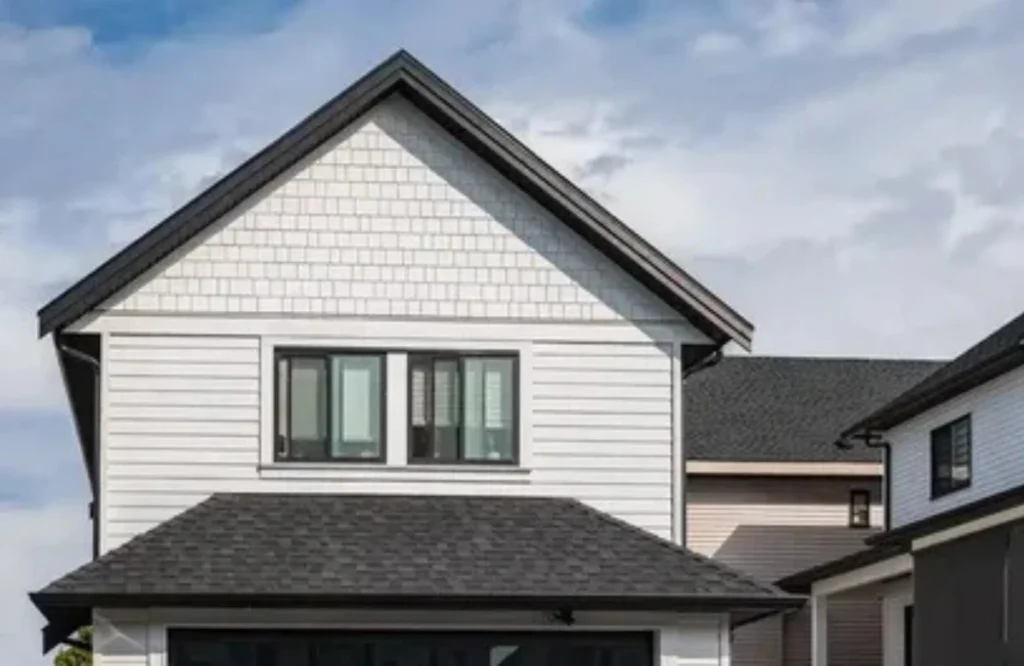
Metal roofing systems are almost unfair in how well they handle wind. Those interlocking panels? They’re basically one unit. A metal roof rated for 120+ mph winds isn’t marketing fluff—it’s actually structural. But here’s the thing: hire roofing professionals in Barnstable who know metal. Get the installation wrong, and you’ve wasted your money. Get it right, and you’ve basically got an indestructible roof.
Ice, Snow, and Temperature Swings
Winter on the Cape is its own thing. You get a 50-degree day in February, snow melts, then boom—it freezes solid overnight. Water sneaks under your shingles during the thaw, then ice expands and forces its way deeper into the structure. Rinse and repeat.
That’s where ice and water shield come in. Not optional anymore. It’s baseline protection. This self-adhering membrane sits under your visible shingles and catches water that finds its way underneath. In other parts of the country, it’s nice to have. On Cape Cod, it’s essential.
And seriously—don’t skip roof ventilation. If warm air gets trapped in your attic, especially in older homes, it melts snow on the roof from underneath. Ice dams form. You get leaks. It’s preventable. Soffit vents let cold air in at the eaves. Ridge vents or turbine vents let it out at the peak. Cold roof, cold attic, no dams. That’s the whole strategy.
Top Roofing Materials for Cape Cod Homes
Asphalt Shingles: The Practical Choice
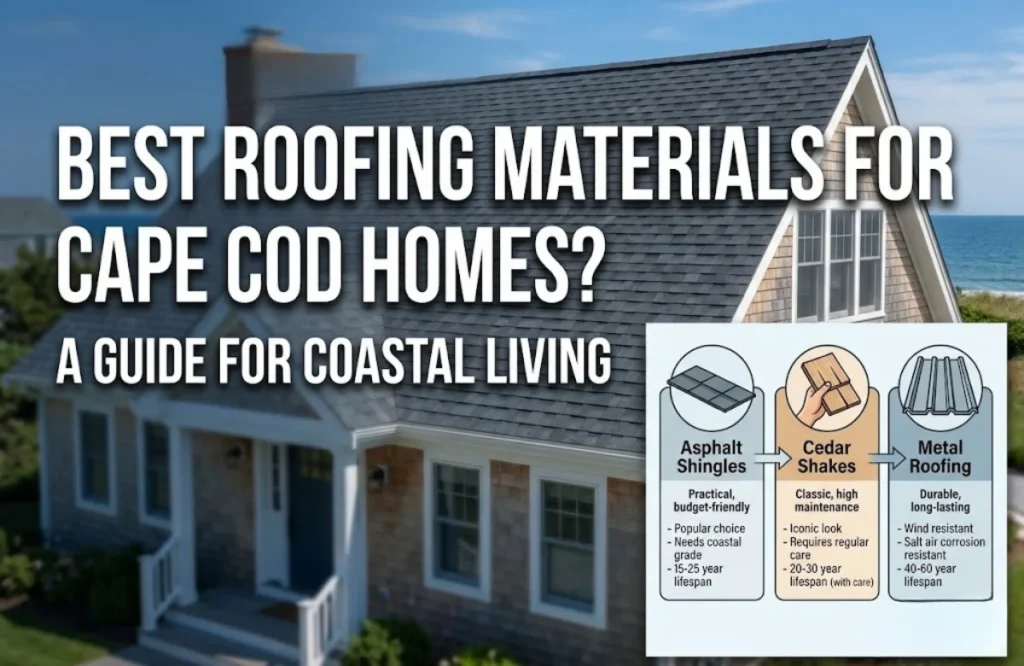
Asphalt shingles are everywhere on Cape Cod. Cheap to install, tons of color options, easy to replace individual shingles if needed. In theory, they last 15-25 years. On the Cape? Plan for closer to 15, maybe less if you go budget.
The problem is knowing what’s actually worth buying. Standard three-tab shingles? Don’t bother on the Cape. That’s money wasted. You want architectural shingles or impact-resistant options—thicker, better adhesive, actually rated for wind and salt. Yeah, they cost more upfront, but they hold up. The cheap stuff just gets shredded.
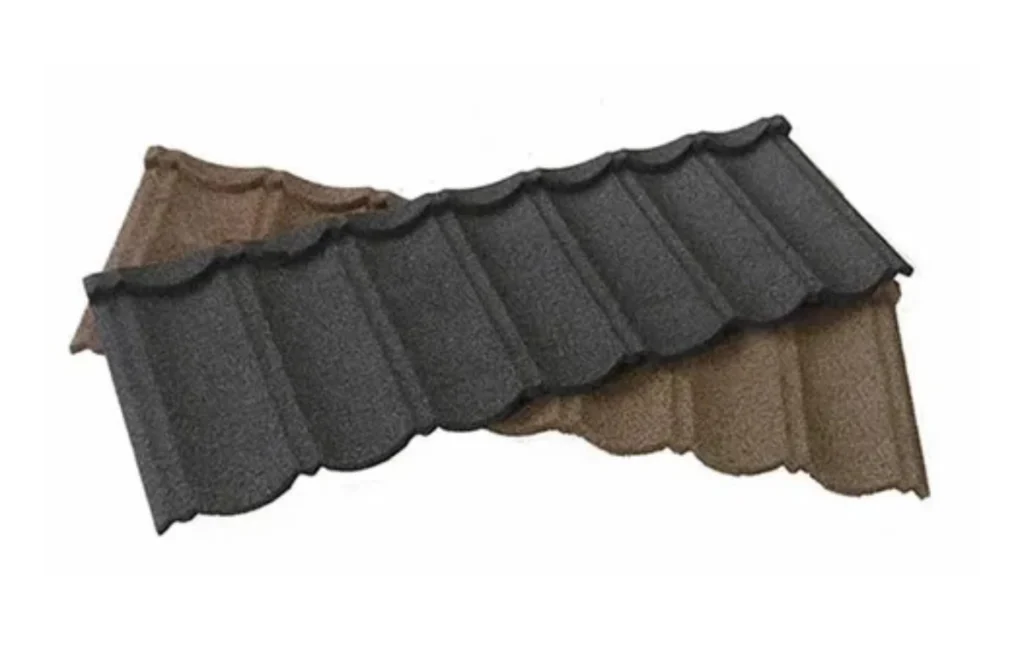
When people ask us about asphalt vs metal roofing in Massachusetts, the honest answer is: asphalt wins on price, metal wins on longevity. If you’re putting a roof on your Cape Cod home and budget is the deciding factor, go with quality architectural shingles. Don’t go with the cheapest thing you can find and expect it to last.
Cedar Shake Roofing: Classic Beauty with Real Challenges
Everyone loves cedar shakes. The look is undeniably beautiful. Natural wood grain, that weathered aesthetic, screams New England. We get it. The problem is: Cape Cod eats cedar shakes for breakfast.
Real cedar doesn’t resist salt air. Period. It splits into freeze-thaw cycles. It rots if water gets underneath. You’re looking at professional cleaning every few years, constant maintenance, and replacing damaged shakes regularly. It’s not a “set it and forget it” roof. If that maintenance sounds like your idea of fun, go for it. If not, move on.
If you love the look, there’s an alternative: cedar-grain engineered products. They give you the aesthetic without the endless upkeep. They actually last longer than real cedar on the Cape. If you’re dead-set on authentic cedar shake roofing, go in with eyes open. You’re committing to consistent maintenance, not installing a roof and forgetting about it for 20 years.
Metal Roofing Systems: The Durability Champion
Metal roofing systems are the investment play. Expensive upfront—sometimes triple what asphalt costs. But here’s why people choose them: they last 40-60 years. That’s one installation versus multiple replacements. Standing-seam metal roofs are especially good because the panels interlock, with no exposed fasteners to corrode.
The math actually works in metal’s favor if you plan to stay in your home. Over 50 years, one metal roof beats asphalt replacements both financially and logistically. Plus, you’re dealing with minimal maintenance. No cleaning, no replacing shakes, no worrying about granule loss.
The catch: installation matters. Get metal roofing systems installed incorrectly, and you’ve wasted that premium price. The panels need room for thermal expansion. Fasteners have to be stainless or coated. Flashing has to be precise. Find roofing professionals in Barnstable who actually specialize in metal. It’s not like asphalt, where sloppy installation might limp along for a few years.
Architectural Shingles: The Middle Ground
If you’re looking for a sweet spot between budget asphalt and premium metal, architectural shingles are it. They’re thicker than your basic three-tab shingles, they look way better, and they actually stand up to Cape Cod weather. Most are rated for 110+ mph winds. They handle impact better, too.
Realistically, you’re looking at 20-25 years on the Cape if you install them right. That’s solid. They cost less than metal but more than basic asphalt. The aesthetic flexibility is a bonus—they can mimic slate, cedar, or dimensional looks without the maintenance nightmares.
Honestly? For most Cape Cod homeowners, architectural shingles are the “right answer.” You’re not overpaying for metal if budget matters. You’re not settling for garbage-quality asphalt. It’s the practical choice that actually works.
Critical Components That Make or Break Your Roof
Underlayment and Water Protection Systems
Here’s what most homeowners never see: what’s under the shingles. And that’s where the real protection happens. Ice and water shield is a self-adhering membrane that goes down in valleys, along eaves, anywhere water might pool or flow. It’s basically a backup plan for when wind-driven rain gets under the outer layer.
In Cape Cod, don’t skimp here. We install synthetic underlayment over the entire roof deck before shingles or metal panels go on. Costs a few hundred more. Prevents thousands in water damage. It’s not optional for us anymore—it’s standard practice because we’ve seen too many roofs fail without it.
The best roofing contractors near me don’t cut corners on underlayment. It’s the difference between a roof that handles a bad storm and one that ends up with water in your bedrooms.
Ventilation Systems Keep Your Roof Alive
If you want your roof to actually last, ventilation matters more than people realize. Proper airflow can extend the life of any roofing material by 30-50 percent. You need soffit vents at the eaves for intake, and ridge vents or turbine vents at the peak for exhaust. That circulation prevents moisture buildup and keeps temperature extremes from destroying materials.
A lot of older Cape Cod homes have basically zero ventilation. If that’s your situation, adding ventilation should be part of any roof replacement. Modern installation includes proper calculations based on roof size. It’s not expensive, and it pays dividends.
Why Local Expertise Matters on Cape Cod
Not all roofers are created equal. A roofer from Worcester or Boston? They might be good. But they haven’t dealt with salt corrosion day in, day out. They don’t know which fasteners rust out in our climate. They probably haven’t spent 15 years installing roofs that face the Atlantic. Roofs that work great in central Massachusetts can fail spectacularly on the Cape because the conditions are completely different.
The best roofing services in Barnstable understand this because they live it. Hitchcock Roofing and Construction is right here on the Cape. We know salt air corrosion because we deal with it constantly. We know wind patterns. We know freeze-thaw cycles. We know what works and what doesn’t because we’ve installed hundreds of roofs in these exact conditions. That’s not bragging—that’s just experience. And experience matters when you’re trusting someone with your home.
Ready to Protect Your Cape Cod Home?
At this point, you know more about roofing materials than most homeowners. You understand why metal costs more but lasts longer. You get why cedar looks beautiful but requires maintenance. You know, architectural shingles are the practical middle ground. And you understand that installation matters just as much as material choice.
If your roof is showing age or you’re planning a replacement, don’t wing it. Call Hitchcock Roofing and Construction for a free inspection. We’ll look at what you have, talk through your options honestly, and recommend what actually makes sense for your home and budget. No pressure. No upsell. Just real advice from people who’ve been doing this on Cape Cod for years. Schedule an assessment at hitchcockroofingandconstruction.com or call us directly.
Frequently Asked Questions
How long should a roof last on Cape Cod?
It depends on the material. Asphalt shingles? 15-20 years if you’re lucky, honestly. Architectural shingles get you to 20-25. Metal goes 40-60. Those numbers assume decent installation and the fact that salt air and winter cycles are constantly working against your roof. Inland Massachusetts roofs last longer because the climate is easier.
Is metal roofing worth the extra cost on Cape Cod?
Yes, but only if you’re thinking long-term. Metal costs two or three times as much as asphalt upfront. But it lasts three times longer, requires almost zero maintenance, and you’re not replacing it twice in your lifetime. The math works if you’re staying in your home for decades.
What’s the cheapest option that will actually last?
Quality architectural shingles. Period. You’re getting decent durability, better wind resistance, improved appearance, and you’re not overpaying for something you don’t need. It’s the practical answer for most people.
Do I really need ice and water shield on Cape Cod?
Yes. Full stop. Our freeze-thaw cycles and wind-driven rain guarantee that water’s getting under your shingles at some point. The shield catches it before it causes damage. This is non-negotiable on the Cape.
Should I hire a local roofer for my Cape Cod home?
Yeah. A roofer from an hour inland might be good, but they don’t know the Cape Cod climate. They haven’t dealt with the specific corrosion patterns, wind dynamics, and seasonal challenges we deal with constantly. Local contractors know what actually works here.