
When it comes to a roofing project, one of the most significant decisions a homeowner can make is that of installing a new roof above their house; not only is it about a new roof above their head, but also about the safeguarding of their family, investment, and even their sense of peace. But with all the varieties of roofing materials in the market, how do you get around this critical decision? Classic asphalt shingles nowadays have several modern versions in the form of synthetic material, and it can be hard to choose. The selection of types of roof material has an influence on durability, energy efficiency, appearance, and long-term expenses.
As much as you may want a roof that would last a few decades, that helps you save in cooling bills or one that adds to the curb appeal, it is important to understand what you have to choose. You are about to discover the six roofing materials that you must know when starting on your project, as you are sure to make the best choice for the safety and beauty of your home. It begins here with your ideal roof and makes it to shield what is most important and to hold firm throughout any season.
Why Choosing the Right Roof Material is Important
The kind of roof material you select plays a significant role in making sure that your home will be both safe and comfortable to live in, as well as attractively appealing to the eyes for many years to come. The choice of inappropriate roofing materials might result in expensive repairs, shorter roof life and impaired comfort in your residential home. Not only does a properly selected roof material resist the local weather conditions, but it also makes your home more energy efficient, which saves money on heating and cooling in the home.
Moreover, you have the right building material that matches the architectural design of your home, enhancing curb appeal and property value. The factors listed earlier are bound to save you money on making expensive mistakes and they also save time when it comes to installation and maintenance.
The Benefits of Understanding Roof Material Types
Comprehending the various varieties of roofing material gives you the authority to properly balance the expense as well as durability, as well as beauty. This is because you can predict complexity in the installation and maintenance needs and that is necessary to plan and budget properly. It also makes you prepared to discuss the issues with the roofing companies and be informed about them so that your project will be according to your expectations and the local building regulations.
Finally, understanding the materials of the roof types will make sure that your roofing investment is not only ingenious but sustainable and does not involve any hidden costs and enhances the overall performance of your house and its comfort.
1. Asphalt Shingles: The Most Common Roof Material Type
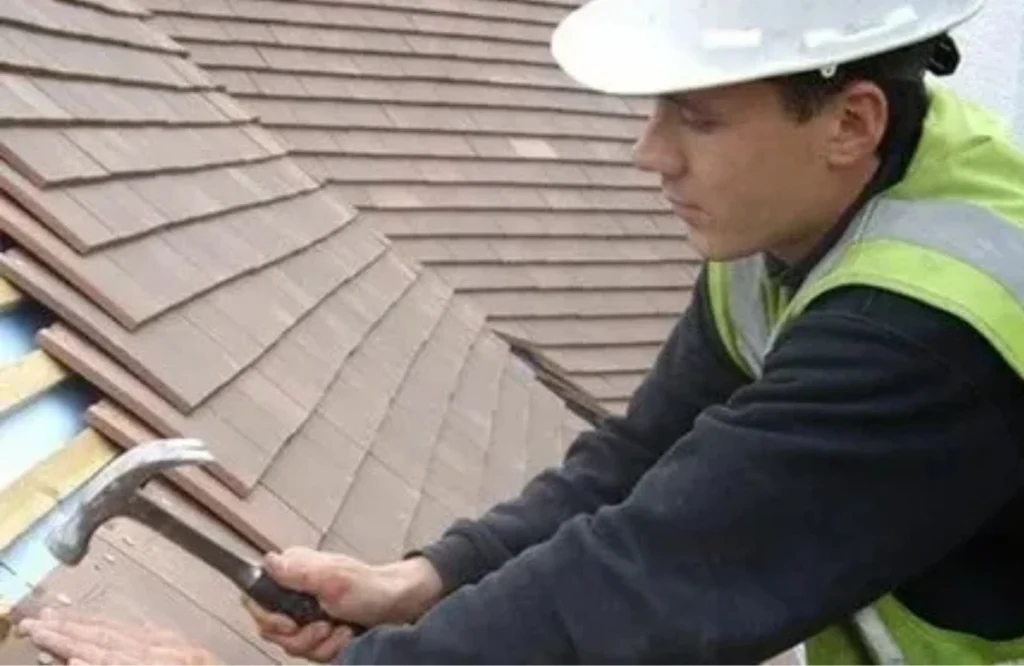
Asphalt shingles are the most common form of roofing material in all of North America. They are cheap, simple to install, and can be employed in a wide variety of situations, which is why they are the first option of many homeowners. Asphalt shingles are of various colors and styles and they suit any home design.
Advantages and Disadvantages of Asphalt Shingles
It has such benefits as low initial price, extensive supply, and medium lifespan (usually 15-30 years). They are not very difficult to maintain or replace. Nevertheless, the asphalt shingles are not as energy efficient as other roof materials and might be vulnerable to extreme weather conditions as compared to the metal roof or the slate roof.
2. Metal Roofing: Durable and Sustainable Roof Material
Metal roofing has gained momentum over its ability to last long, energy-saving and environmental advantages. It is resistant to severe weather and has a great resistance to fire- this is beneficial since homes in areas prone to wildfire are also targeted.
Different Types of Metal Roofing: Steel, Aluminum, and Copper
Steel roofing is economical and tough, aluminum is rust-resistant and is lighter, whereas copper has unmatched beauty and durability at a high cost. The different metal types have their benefits, which are unique and come at various prices and designs in the roof material types categories.
3. Clay and Concrete Tiles: A Timeless Roofing Option
Concrete and clay tiles are of the Middle Eastern style and can outlive more than 50 years. They are heavy and robust, thus resistant to wind and fire and that is why they are a lasting option. This is a classic material in case an individual wants to invest long-term in roofing.
Why Clay and Concrete Tiles Are Ideal for Hot Climates
Their natural thermal characteristics radiate heat that makes homes cooler in hot weather. This contributes to the fact that clay and concrete tiles are among the most appropriate roofing materials to use in warm climates that are also attractive and highly intelligent in terms of climate adaptability.
4. Wood Shingles and Shakes: Natural Beauty and Durability
Wood roofs are usually made of cedar or redwood. They are very insulating and, under the right maintenance, can last 25-30 years. The wooden roofs are valuable and decorative to the historic or cottage houses.
Differences Between Wood Shingles and Wood Shakes
Wood shingles are machine-cut and refined, whereas shakes are split by hand and have a coarse texture and are more rustic. They are both categorized as roof-type material and the difference lies in the method of styling and installation.
5. Slate Roofing: A Premium Roof Material for Long-Term Investment
Slate roofs are almost unbreakable, as they can serve for more than a century, with the minimum of maintenance. It is a high-quality natural stone that is fireproof, very resistant to weather, and classy, so this would be a good choice when someone doesn’t want to pay a lot yet wants to decorate a home of the prestigious type or renovate a historic house.
How to Maintain a Slate Roof
Durable, yet slate requires a regular check-up in order to replace broken tiles and maintain the underlayment. Experienced roofing specialists knowledgeable with such classes of roofing materials as slate are needed for the correctness and prolonged life.
6. Synthetic Roofing Materials: Modern Solutions for Homeowners
Synthetic roofing is a replica of traditional roofing, such as slate or wood, using lighter easier to easier-to-recycle substances such as rubber or polymer. They are made to be durable and easy to install and incorporate the contemporary innovation with aesthetic flexibility.
Pros and Cons of Synthetic Roofing Materials
Synthetic fabrics are crack and moss-resistant, and are warranted against 50 years or longer. Nevertheless, they might be more expensive to install initially compared to asphalt, and they can vary greatly. When selecting synthetic roofing, the roof material type is a factor that has to be vetted.
How to Choose the Right Roof Material for Your Home
In choosing a material to use as a roof, it depends on climate, cost, style of house, longevity expectations, and ability to maintain. Consider homeowner association policies as well as local building codes to reduce the options that fit your home and neighborhood.
Roof Material Types for Different Climate Conditions
- Reflective substances such as metal roof or clay tiles are preferred in hot climates.
- Cold, snowy areas usually favor either asphalt shingles or metal to be used in shedding snow.
- The regions that are susceptible to wildfires may be inclined to metal, clay, or slate, which are fire-resistant.
How Roofing Materials Affect Energy Efficiency
Some types of roof materials reflect sunlight and have better ventilation as compared to others, and thus, have a direct effect on cooling/heating expenses. Insulated and lighter-colored roofs are more efficient in terms of energy.
Choosing Energy-Efficient Roofing Materials for Cost Savings
Metal roofing with cool coatings or clay tiles provides significant energy savings over time. Ask roofing professionals about options designed to meet energy codes and reduce your home’s carbon footprint.
The Impact of Roofing Materials on Energy Efficiency
This is because metal roofs that are coated with cool materials and clay tiles are much more economical in the long run. Contact roofing professionals regarding something that can be installed to meet the requirements of energy codes and minimize the carbon footprint of your home.

Roof Installation and Maintenance: What You Need to Know About Different Roof Materials
- Asphalt shingles have to be inspected every few years to check their damage.
- Metal roofs require less maintenance, although they should be inspected to ensure that there is no rust or loose panels.
- Clay/concrete tiles are easy to maintain otherwise.
- The roofs made of wood require water and insect resistance treatments.
- Slate is the most benefited by professional examinations.
- Artificial roofing requires maintenance schedules of the manufacturer.
Professional Roofing Services and Roof Material Installation Tips
It is important to use licensed professionals who know the different forms of roofing material in order to have a good installation and cover the warranty. Laying out proper underlayment, flashing and ventilation will add to the lifespan of any material.
Conclusion:
In selecting the types of most appropriate roof materials to use in your home, you need to look beyond your initial expenses and look at the long-term durability of the material, and you should also look at the maintenance of the material and its energy efficiency. Although there are less costly materials, they tend to be more costly to maintain and have to be replaced more frequently. More durable options like metal or clay tiles are more durable and therefore, they are generally more costly in the short term but offer superior durability and energy efficiency, which is better in the long term. A good roof will safeguard your house, improve the aesthetics of the place and add value to your house.
Experts are capable of assisting in analyzing the vast variety of types of roofing materials, depending on your budget, the style of your house and the climate of the area. At Hitchcock Roofing and Construction, the experts will give you specialized information to aid in choosing the correct roofing material to suit your application, and to ensure that you make a good investment and have a roof that will last you decades.
FAQ’s
Q: What are the different types of roofing material available?
A: Common roof material types include asphalt shingles, metal roofing, clay/concrete tiles, wood shingles and shakes, slate, and synthetic materials like rubber or polymer shingles.
Q: Which roof type materials are best for hot climates?
A: Clay and concrete tiles, metal roofing and reflective synthetic materials perform well in hot climates as they are resistant to heat and are also energy efficient.
Q: How long does asphalt shingle roofing last?
A: Typically 15-30 years, depending on quality and maintenance.
Q: Are metal roofs noisy during rain?
A: Properly insulated metal roof also substantially lowers the noise levels in an area, so contemporary metal roofing is silent but comfortable.
Q: What maintenance do synthetic roofing materials require?
A: Synthetic roofs generally require less maintenance but periodic checks for damage and cleaning to remove debris are recommended.