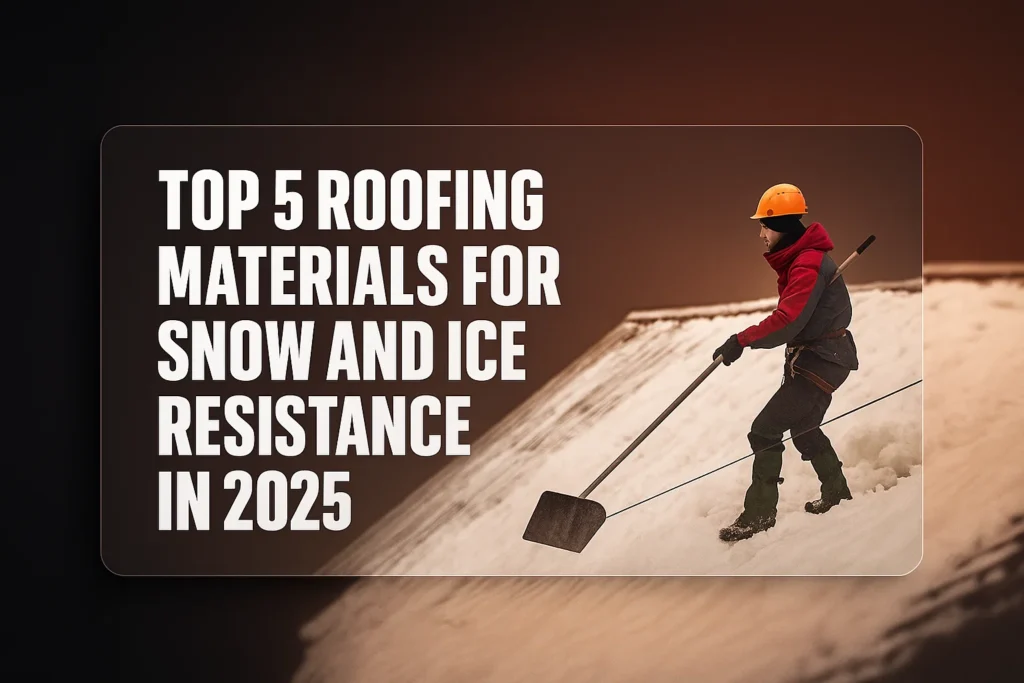
Winter turns your pretty neighborhood into a winter wonderland, and while it is amazing how well the snow-covered roofs look, there is a struggle with the icy hold of nature behind the beautiful scenes. You may assume that a roof is simply a structural protection, but you are mistaken; your snow roof is the line of safety of your home against the heavy snow, ice, and freezing weather that endangers security as well as life. All the flakes, icicles, and layers of frost weigh down and impose more strains, so the selection of the appropriate roofing materials is more problematic than ever.
We are talking of a right roof in 2025 and it is not all about the style but about the robustness, strength and intelligent design that can defy winter snowstorms. Then are you ready to take the attack of the snow on your house? It is time to jump into the best roofing materials which will help you stay warm, dry, and safe throughout the seasons.
Why Roofing for Snowy Conditions Matters
Snow on Rooftops: A Risk or Just a Visual?
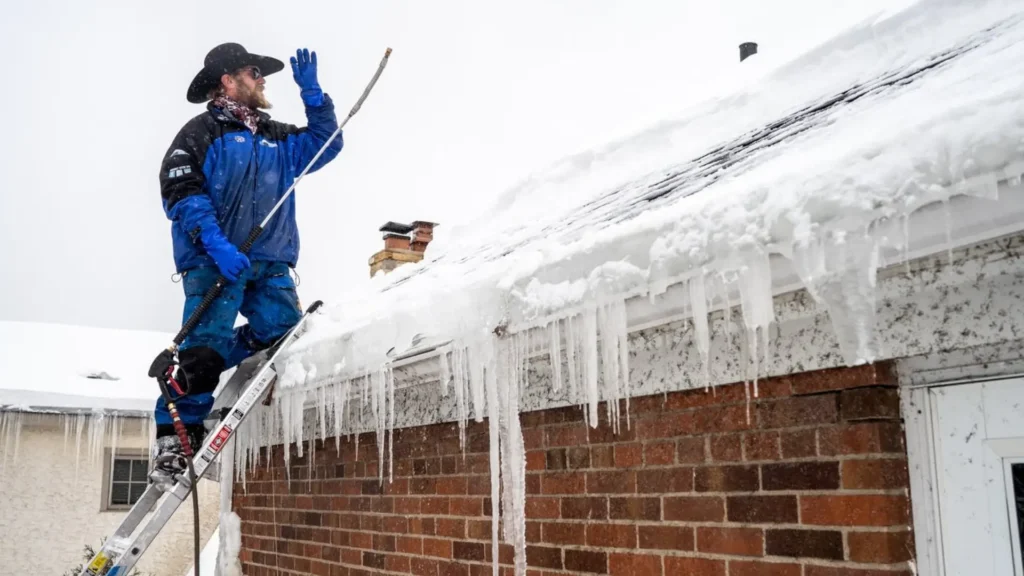
The question that many homeowners ask is: Does snow on the rooftop make any scenic winter delight, or is it risky or not? The flake on your roof is not a lovely sight. It may cause a lot of weight which places strain on the structure and can even be destructive, provided the roof is not meant to carry the weight. Ice dams can be created which will cause water leakage and expensive damage. Snow that has been accumulated also leads to moisture problems which weaken the materials with time.
Understanding Roof Snow Load and Structural Stress
The roof snow load is one of the most important factors which is the weight that the roof should support due to the accumulation of snow and ice. This load is calculated by engineers to make sure the roofs do not buckle or collapse when the winter weight has been taken by the winter. This problem is further complicated when the snow or the ice is wet since it weighs more than fluffy powder. The correct design of the roof can reduce this strain and promote the lifespan of the roof of your home.
How Roof Pitch Affects Snow Accumulation
Another important factor is the roof pitch of the snow. When the roof is very flat or low-sloped the snow will accumulate rather than slipping off. This is capable of raising the weight and unbalancing the snow load. On the other hand, steeper-pitched roofs also enable the snow to be shed with ease and less pressure. The knowledge of how the pitch of the roof of your house affects snow build-up can also help with the choice of the proper roofing system.
Choosing the Right Roof Pitch and Slope for Snow
Ideal Roof Slope for Snowy Climates
Experts suggest that the slope of roof in snowy areas should be at least 6/12 (i.e. the roof should upstep 6 inches in a direction of horizontal direction every 12 inches) or steeper. A steeper roof helps in the natural sliding off of the snow, eliminating the heavy accumulation of the snow. But it can also cause other obstacles too, such as a slope, including the risk of wind damage. It is important to find a strike and balance in your climate.
Pitch of Roof for Snow Load Management
The process of controlling the pitch of the roof in snow takes into consideration the shedding of the snow as well as support. The moderately steep pitch distributes the weight in a much better way and minimizes the ponding. Snowy areas frequently have building codes that provide minimum inclinations to provide security. The local building codes can be used to determine the ideal pitch of snow in your locality.
Does a Steeper Slope Reduce Snow Buildup?
That is true, steeper slope normally will have less snow on the roof because it allows gravitational forces to push snow off the roof and down the roof very fast. Nonetheless, it may also promote ice dam risks on the margins provided that gutters or drainage is not designed appropriately. To regulate the movement of snow and ice, roofers usually attach steep roofs by using snow guards or heating cables.
Top 5 Roofing Materials for Snowy Climates
Choosing the right roofing material is crucial for durability and snow resistance. Here are the top 5 materials in 2025 suited for winter weather:
1. Metal Roofing – The Snow-Shedding Champion
In snowy situations, the metal roofs shine through. Their smooth surfaces and steep angles of installation will enable the snow to be washed off easily to significantly lower the danger of snow on the roof tops. In addition, metal does not deteriorate because of moisture and ice, thus it is a durable investment. Metal roofing is light and also powerful- ideal in terms of handling heavy loads of roof snow without increasing the weight.
2. Asphalt Shingles – Affordable but Less Ideal
Asphalt shingles are still used because of their affordability and easy construction. They however retain more snow than metal or slate especially on low-pitched roofs. Although the shingles are improved with a reflective coating to enhance snow melting, upgraded asphalt shingles are not quite suitable in heavy snow areas. In case of cost considerations, asphalt is capable of working with steep slopes and improved snow barriers.
3. Slate Roofing – Durable and Heavy-Duty
Slate is an upscale alternative that is very tough and has an innate ability to resist cold and ice. Its heavy weight and coarse surface make snow on a roof stick until it is liquefied in a natural way and less snow slides can happen suddenly, which is dangerous. Nevertheless, slate needs a high structural support system because it is heavy; which is a major factor in snowy areas.
4. Composite Roofing – Lightweight and Versatile
Composite roofs resemble either wood or slate with their added advantages such as lighter weight and greater resistance to weather. These roofs are good in terms of freeze-thaw thaw and they are useful in breaking up ice formation. The composite materials are usually equipped with a textured surface in order to minimize the sliding, thus the homeowners can control the amount of snow and ensure safety.
5. Concrete Tiles – Strong but Weighty
Concrete tiles are very strong, and have the ability to resist freezing without cracking. They are durable and hence a strong choice in snow zones. Concrete tiles, however, are heavy such like slate, so your roof framing would have to be strengthened. Slope and installation are also essential in ensuring that there is no excessive snow on rooftop loads.
Snow Roofing Enhancements and Accessories
What Is Snow Coat Roofing?
Snow coat roofing is the process whereby special coatings are applied to roofing materials to enhance a coating that is ice-resistant. This assists in melting the snow quickly and eliminates hazardous snow roofs. Certain coatings are also reflective to the sun, which encourages faster melting of snow and lessens the chances of freezing.
Using Roof Snow Paint to Reduce Buildup
The relatively new technology is the roof snow paint which is aimed at reducing the sticking ability of snow and ice on surfaces. This coating facilitates easy sliding off or melting of the snow. It comes in application mostly on metal or shingles as a preventive action against heavy snow-prone regions.
Steel Roofs with Snow Guards: A Smart Upgrade
The steel roofs are fine when it comes to shedding snow but can cause safety hazards when the heavy mass of snow falls off abruptly. The installation of snow guards disintegrates slide formations, which means that the snow has time to melt and fall at a slow rate. This creates a shield over gutters and landscaping and over people beneath, and is a great addition to any snow-prone roofing system.
Can You Install Roofing in the Snow?
Roofing in Snow: Challenges and Tips
Winter roofing installation is associated with such issues as cold weather, ice, and less daylight. Materials may develop frailty or be hard to process. But given due caution, winter-type roofing adhesives, heated tents and working during mild weather, roofing jobs can be undertaken without any trouble.
Is Winter Roofing Installation Safe and Effective?
Yes, professional roofers will be able to install roofs in snow safely in case they are equipped and make the plans. Even winter roofing can be beneficial as it can minimize delays in scheduling that are observed during peak seasons. It is important to employ crews used to operating in cold weather conditions and using materials that are winter-friendly.
Conclusion:
The snow on a roof is something that should not be ignored and it may damage the home and be risky and dangerous and homeowners tend to forget about it. The solution to how to ensure your home is safe during extreme cold winter seasons is to build a roof of the correct pitch, use strong and snow-resistant building materials and have well-built snow management systems. Although investing in high-quality roofing materials such as metal or slate would mean that you are likely to pay more upfront, the benefits of lower maintenance costs, longer life, and improvement in withstanding winter winds greatly outweigh the cost.
If you think about the weight of the materials used, the weather conditions in the area, and the design of the roof, you will be able to make the best decision about what to use in your house. To have quality snow-resistant roofing services, get Hitchcock Roof and Construction to secure your home during the entire winter season.
FAQ’s
How steep should the roof pitch be for heavy snow areas?
Preferably, the pitch of 6/12 or steeper should stimulate the snow to slide away and eliminate the accumulation of weight.
Can I use asphalt shingles in snowy climates?
Yes, there are better options in steeper roofs with snow guards or heating equipment as the snow retention is better.
What is roof snow load?
This is the weight of all accumulated snow and ice on the roof that it has to carry safely.
Do metal roofs really prevent snow buildup?
Metal roofs are also very good at getting rid of the snow rapidly, as they are smooth and durable.
Could the roofing be installed in the winter?
Winter roofing may be effective and safe when it is done by qualified and skilled contractors with the right equipment.