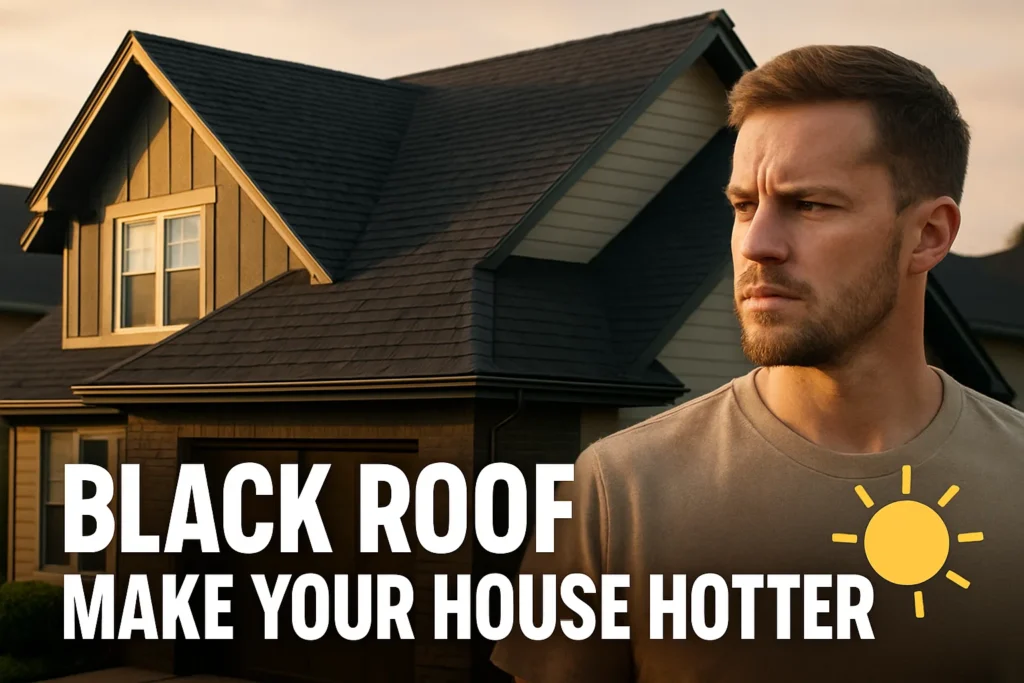
A black roof is very eye-catching giving your home a smooth modern appearance which will make your house stand out in the community. Also accompanying that boldness there is a question that everybody who owns a house would love an answer to: Does a black roof make your house hotter? The fact is that black roofs absorb the sun more and become scorching under the summer sun. The additional heat is making people question whether their energy bills will skyrocket and whether it will become an oven on hot days in their homes. Is the gloomy dark appearance worth the potential sacrifice in comfort? Or would it really favor you by the place of residence? In the given guide, we’ll break down the science, facts on the ground, and the expert information to clarify the confusion. Is it a black shingle statement you so desire to dream, or simply want to know if dark shingles make house hotter? This article will help you make a smart, confident move to roofing. Continue to read to know how the color of the roof influences temperature, energy consumption, and the comfort that one feels in their home.
Does a Black Roof Make Your House Hotter?
Homeowners are concerned with comfort and energy efficiency when it comes to the roofing materials and color. Another common one will be, does a black roof make your house hotter? There is no black and white solution to the answer. It relies on science, climate, home construction among others. This reference outlines in detail how the color of a roof, particularly black shingles, affects the amount of heat in the building and the interior temperatures and assists you in determining whether dark roofs are appropriate for your house.
The Science Behind Roof Color and Heat
How Roof Color Affects Temperature
The colour of the roof also plays a major role in heat absorption. Dark colors and particularly black absorb a large amount of sunlight and transform it into heat. Light colors on the other hand reflect the greater part of the sunlight and therefore the roof surface is colder. This mere fact implies that a black roof can get very hot under direct sunlight.
This is possible since the darker colors capture a wider range of sunlight, visible and infrared wavelengths and thus transform a larger quantity of energy into heat, which heats the roofing materials. The fine shingles reflect a big part of these rays making the solar energy less.
Does Shingle Color Really Matter for Heat?
The question that many ask is whether the color of the shingles is sufficient in influencing indoor temperature or whether it is other aspects that are influential. Although color is important, it is not the only variable among many. The type of roofing material used, the amount of attic insulation, the amount of ventilation, the pitch of the roof, and your location also determine the amount of heat that gets into your house.
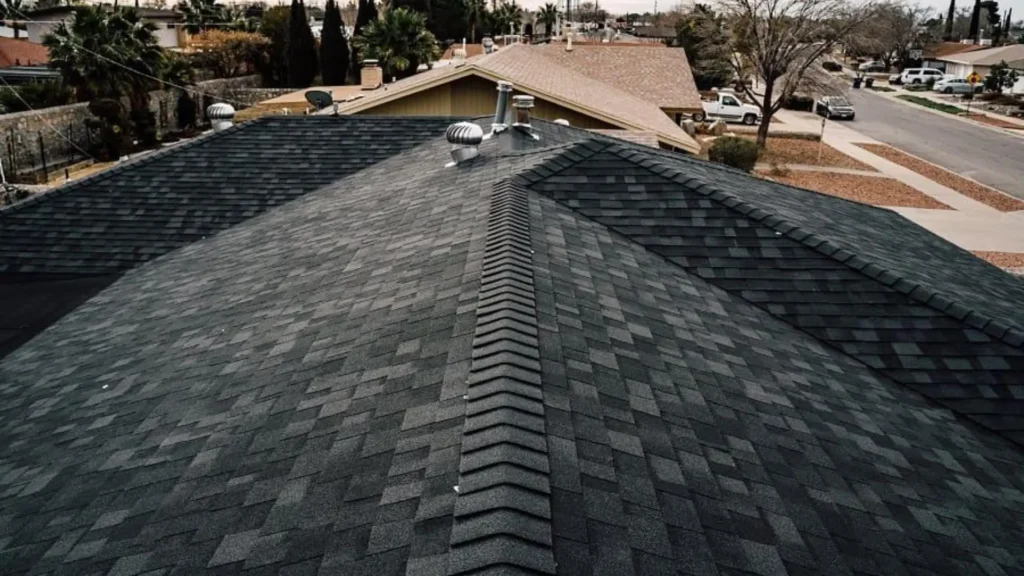
For example, an exceptionally insulated house with a great attic ventilation is able to manage the heat of a black roof better than a poorly insulated house with the same shingles. So, the color of shingles can have a greater influence on the temperature of the roof surface as compared to the interior temperature directly.
Why Black Absorbs More Heat Than Light Colors
Black has almost the same ability to absorb all wavelengths of sunlight. Black shingles can reflect an energy, unlike the white or reflective colors, which send the light away. Once in contact the energy is transformed into heat. This uptake leads to extreme temperatures of roof surfaces.
The black pigment is physically a sponge of sunlight and converts the light rays into thermal energy. This is the reason that a black roof on a hot summer day will be 50°F (27°C) or even hotter than a white one on its surface.
Do Black Shingles Make a House Hotter?
Real-World Data on Black Shingles and Home Temperature
The Black shingles are proven to increase the surface temperature of the roof substantially and research and field data show that the temperature of the roof using black shingles is much higher. It has been documented that black roofs have reached 150°F (65°C) under morning sunshine at the hottest time of the day, whereas light-colored roofs have attained 120°F (49°C) during the peak sun hours.
This dramatic disparity may be converted to high attic temperatures and cooling loads within the house in case attic ventilation and insulation are not proper. During extreme heat, the attic may act as a heat trap, heating rooms beneath and raising more work which the air conditioners to perform.
Are Dark Roofs Always Hotter?
Not necessarily. Although the surface of black roofs is hotter, the temperature of a house is a lot more than just a color: it depends on the insulation of roofs, ventilation, airproofing, and external shading. The houses that have dark roofs and good thermal insulation may be cooler indoors than those that have light roofs and bad insulation.
Also, during cooler weather, the added heat of the black roof can be beneficial and it can be used to warm the house during cold weather without excessively overheating it.
Will Black Shingles Overheat My Attic?
Black shingles may be an overheater in case your attic is not well ventilated or insulated. The heat that is retained by such shingles increases the temperature of attics making them uncomfortable or harmful in the long run.
However, with the roof system that includes ridge vents, soffit vents and good insulation, you should not worry about an overheated attic, although you may have a black roof.
Light vs. Dark Shingles: What’s the Difference?
Light Shingles vs. Dark Shingles in Summer
Shingles are light and reflect sunlight thus making roofs and houses cooler in hot seasons. This lessens the air conditioning requirement and power statements. Dark shingles heat the surfaces of roofs by tens of degrees, raising the temperature of your house which can heat up and make cooling more expensive.
Do Darker Shingles Affect Energy Bills?
Yes, in many cases. Dark shingles may lead to a significant increase in the cost of cooling, particularly in hot climates where air conditioning is highly dependent on. Research has approximated that houses having dark roofing materials may utilize approximately 10% more cooling energy compared to houses with light roofing materials.
Are There Benefits to Choosing Dark Roofs?
Dark roofs also have their advantages, mostly in the lower latitudes. They absorb heat to make your home warm in winter and it may reduce heating expenses. They also provide a traditional, sophisticated appearance preferred by most architectural designs.
Choosing the Right Shingle Color for Your Climate
Does Roof Color Matter in Cooler Regions?
Dark shingles can be of advantage in colder climates as they will passively heat your house. In this case, thedoes a black roof make your house hotter issue is not so urgent and may even contribute to the energy efficiency when cold winters are a prevalent problem.
What to Consider in Hot vs. Cold Climates
Where the heat is intense, you will tend to have more energy savings with the help of light shingles or cool roofing materials. In case your winters are colder, and summers are more moderate, darker shingles would be able to balance the heating and cooling requirements.
How to Choose a Shingle Color That Fits Your Home
Consider your climate in the area, the type of architecture of your house and energy objectives. Seek local advice from roofing experts. Additionally, think over such high-tech roofing, as cool roof finishes, which combine the appearance of dark roofing with reflective capabilities.
Other Factors That Influence Roof Heat Retention
Roofing Material Type and Insulation
Some of these materials, such as metal or clay tiles, have a natural tendency to reflect more heat as compared to asphalt shingles. The roof deck insulation is the most important to prevent heat transfer inside the building, regardless of the color.
Roof Ventilation and Airflow
It is important to do proper venting either through ridge vents or soffits or through attic fans to remove the heat accumulation under your shingles, particularly black roofs.
Impact of Roof Pitch and Orientation
Steep roofs and south or west-facing sun reflect more heat, enhancing the effect on the color. Whenever you can place your home and roof structure in a manner that will control sunlight best.
Conclusion:
A black roof is a cool and workable option as well and particularly in the colder weather the roof is a heat absorber which warms your house. Combined with proper insulation and good air circulation, the issue concerning overheating is less significant. If you desire the appearance of black shingles, without having to incur the disadvantage of raising the temperature, the cool roof shingles are an option as they reflect infrared rays and at the same time look dark. It is also important that the attic is regularly maintained so that your home is comfortable throughout the year. The answer to the question of do black roofs make a house hotter is based on such factors as climate, the design of a home, and materials.
It is possible to balance these factors and have a beautiful black roof and not heat a lot or pay high energy bills. To have quality roofing solutions that are both stylish and efficient, call Hitchcock Roof and Construction.
FAQ’s
Does a black roof make the house hotter inside?
A black roof absorbs more heat, which can raise attic and upper floor temperatures. However, with proper insulation and ventilation, the impact on indoor comfort can be minimized.
Do dark shingles always increase energy bills?
Not always. Dark shingles can add to cooling expenses in hot climates, but in cooler climates, they can add to the reduction of heating expenses, balancing the total energy consumption.
Can cool roof shingles provide the look of a black roof without the heat?
The Cool roof technologies are in such a way that they reflect the infrared rays but remain dark in color, which limits the absorption of heat and enhances energy efficiency.
Is roof color less important than insulation and ventilation?
The color of roof influences the surface temperature, though insulation and ventilation influence the extent of heat that actually gets into your living room.
What climates are best suited for black roofs?
Black roofs are effective in less warm climates where extra heating of the house is favorable. Lighter-colored roofs can be more efficient as far as cooling in hot regions is concerned.