
One of the most important elements of a house, particularly in the versatile climate of Massachusetts, is a roof. Residential roofs endure beatings all year round, during deep winter freezes and summer thunder clouds. Homeowners who want to find trustworthy information about the roof installation process and their roofing options require straightforward instructions. In this article, we shall discuss the residential roofing peculiarities in Massachusetts, the performance of various materials, and important maintenance tips.
Knowing the Roofing Problems of Massachusetts
The climate of Massachusetts contributes massively to the performance of residential roofs as they age. The reality of weather here includes snow loads, ice dams, freeze-thaw cycles, and high winds. Because of these climate challenges, it’s better to rely on professional roofing contractors who know how to protect and maintain your roof properly.
A lot of snow and ice on a roof puts a lot of weight on the roofing. Ice dams that are formed when attic air at the top of the roof melts snow and then refreezes on the colder eaves may trap water and cause leakages. The freeze and thaw cycles cause slight movement in roofing materials that may disrupt seams and shingles as time goes by.
Besides structural stresses, hail and wind may loosen shingles or result in loss of granules, which is an indicator of asphalt shingle wear. This knowledge can be used to make realistic lifespan and maintenance expectations.
Selection of the Proper Roofing Materials
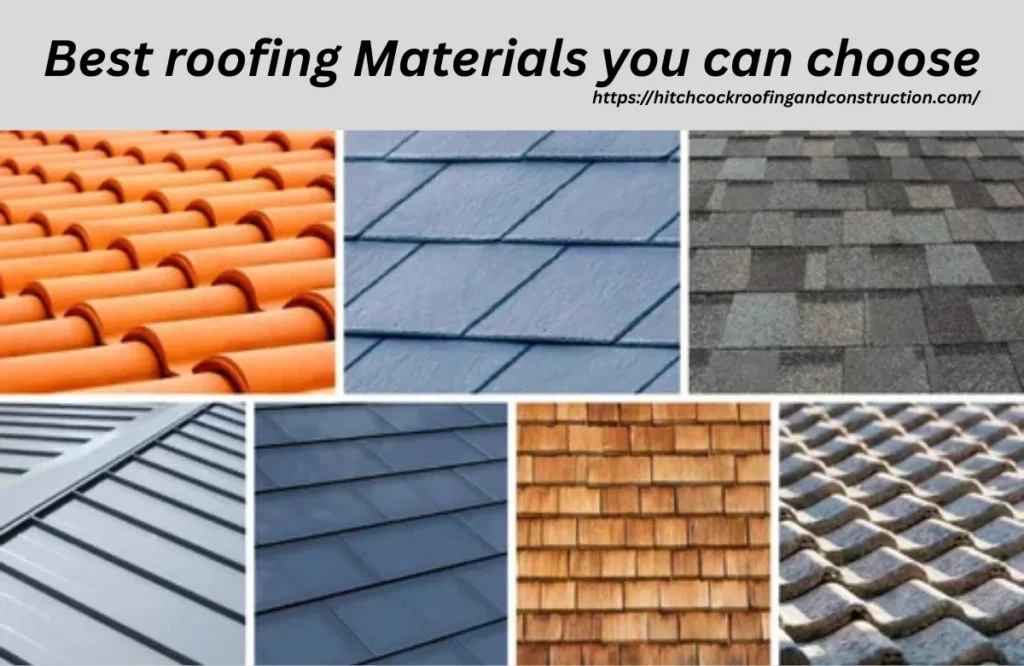
One of the important decisions that a homeowner has to make is the choice of roofing materials. Each material has its own advantages, drawbacks and performance characteristics. Below is a discussion on some of the best roofing materials available to homeowners in Massachusetts.
Asphalt Shingles
There is a reason asphalt shingles are the most popular residential roofing material in North America: they are affordable, perform well, and look great. These shingles are waterproofed using asphalt and are commonly known to be versatile. Their operation can be extended over time by regular maintenance.
Metal Roofing
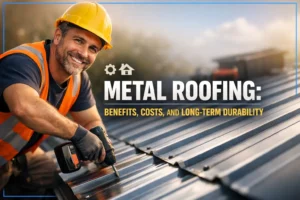
Metal roofing is becoming more popular because it is resistant to wind, snow and hail. They also shed snow very effectively and may outlast asphalt much longer, 40 to 70 years, when properly installed and maintained. Many homeowners are discovering the long-term advantages of metal roofing, from fewer repairs to extended service life, despite the higher initial cost..
Specialty Alternatives
Other forms of roofing can have certain aesthetic or performance advantages, including slate, tile, or even copper. Copper roofing can last for a very long time and has a unique appearance, but it comes with a significantly higher cost.
Some Important Considerations in the Choice of Material
In selecting roofing materials, take into account:
- Freeze-thaw cycle: Not all materials can cope with the freeze-thaw cycle.
- Lifespan expectations: Asphalt shingles have a life span of 20-25 years, whereas metal and specialty materials can have a considerably longer life span.
- Maintenance requirements: Some materials need more regular maintenance to ensure performance.
- Cost vs. value: Compare initial costs with possible long-term cost savings related to durability and reduced maintenance.
Why Professional Installation Matters
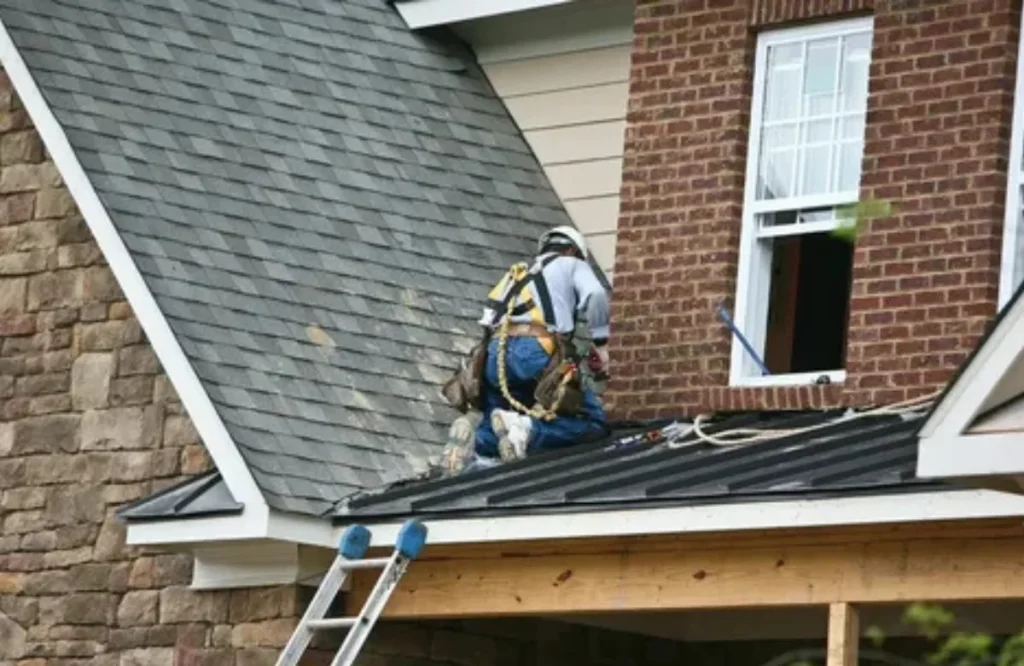
Even the finest materials will not work well when placed improperly. Roofers who have worked in the region have both local and technical expertise. They know the weather patterns of Massachusetts and how these affect installation techniques, ventilation and roof slope.
Roofers who specialize in roofing, rather than a side service, are more likely to produce a higher quality with fewer errors. Their energy-efficient roofing installation often performs better on average in several aspects.
Seasonal Maintenance
Caring for a residential roof is not a one time event. Preventing expensive damage and extending the life of the roof is aided by a proactive approach.
During Spring
Following a long winter, examine:
- Missing or lifted shingles
- Granules in gutters
- Signs of ice dam damage
- Any flashing displacement
The spring is a wonderful season to clean up the yard and get down to business concerning winter problems.
During Summer
During the summer, be on the lookout for storm damage caused by storms particularly those with hail. Even when summer is less severe than average, extreme storms can lead to great damage.
During Fall
Clear gutters, make certain that ventilation is operating and repair any minor issues before snow falls. Ice dams are less likely to develop as long as roof vents and drainage systems are functional.
During Winter
Winter maintenance is safety and prevention-oriented:
- Get rid of heavy snow when it is safe.
- Monitor for signs of ice dams.
- Make sure the attic is well ventilated and well insulated to minimize heat loss which can lead to the formation of ice.
Proper seasonal roof maintenance keeps your roof active throughout the year and helps identify minor problems before they escalate.
The Importance of Ventilation and Insulation
Insulation and attic ventilation are also important in the performance of a roof. Ventilation can also decrease heat accumulation during summer and decrease the formation of ice dams during winter by maintaining more uniform roof deck temperatures. Ridge vents are fitted at the top of a sloping roof to help get rid of warm and damp air in the attic, however they are most efficient when combined with soffit vents to promote air circulation.
This is further reinforced with proper insulation which helps to minimize the heat transfer between the interior living space and the attic. Ventilation and insulation work together to ensure that roofing materials are safeguarded and that the entire building is efficient in terms of energy consumption.
Indications to Replace the Roof
The decision between repairing or replacing your roof can save a lot of money and stress. Some key indicators include:
- Increased age of the roof to a point higher than the anticipated life.
- Constant seeping even after patching.
- Significant granule loss, cracks, and curling of shingles.
- Water spots or sagging sections.
- Damage due to extreme weather conditions.
Conclusion
Roofing on residential houses in Massachusetts is more than just house shingles. It is all about adapting material performance to climate conditions, investing in quality installation, and engaging in considerate maintenance efforts. You might be choosing your materials to build a new house or assessing the performance of your existing roof. Either way, you are in a better place knowing these basics to take care of one of the most important systems in your home.
With professional care and a focus on quality materials, homeowners can contribute to maintaining a solid roof all year round. Contact Hitchcock Roofing and Construction today to let the best roofing contractors take care of all your roof installation or maintenance needs in Massachusetts.
FAQs
What makes residential roofing smart for Massachusetts homeowners?
Smart roofing uses the most appropriate types of roofing materials, like asphalt shingles or metal and combines them with energy-efficient designs to cut costs and extend roof life.
How often should I inspect my home’s roof?
Inspect your roof at least annually and after major storms to spot issues like missing shingles or leaks early.
What roofing materials work best for Massachusetts weather?
Asphalt shingles offer affordability and style, while metal provides longevity and energy savings against snow, rain, and wind.