
One of the best things that you can do to ensure comfort, energy efficiency, and home value is to have properly installed windows. It is also among the most common projects to fail on. To have a window that would run smoothly and last longer, all the steps of the window framing installation process must be followed with utmost care. The following are the most prevalent installation errors, along with practical window installation tips that will prevent such errors.
Wrong Size Rough Opening
The rough opening specifications of a 2’x 3’ double hung window will be different according to the manufacturer and the style of the window. A window may be constructed to suit almost any size of rough opening, although many manufacturers manufacture standard sizes, which are less expensive than windows that are tailor-made.
Wrong Size Jambs
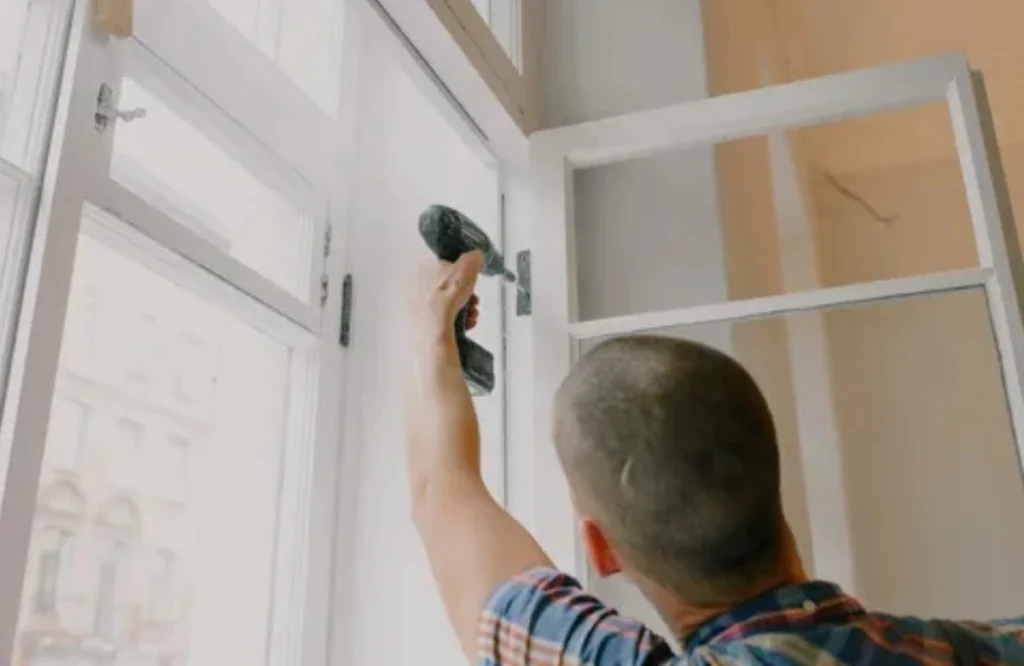
When the windows are ordered with the jambs attached, remember to increase the depth of the jambs in case the finished surface of the inside walls is to be plastered, tongue and groove, or any material more than 1/2 inch thick. You will also have to increase the width of a jamb when you are attaching windows to the sheathing thicker than 7/16 of an inch.
No Back Slope
Sill on a coarse opening must be sloped to enable the water that has entered the building envelope to be guided to the exterior. This may be done either by making the cripple studs at an angle, or by placing a sill-wedge or slanting pan above the rough opening where it has been framed in. Remember to put in more height of the rough opening so that it fits the thickness of a sill-wedge or sloping pan.
Poor Flashing Adherence
Clean off the dust and debris, and wipe the moisture off the sills of the windows as well as the WRB (Weather Resistant Barrier) to enhance the bonding of the flashing tapes. Certain tapes and membranes will not stick when framing a window in cold conditions, and therefore, you should either find a product that works or you should at least make sure that you work within the special guidelines that the manufacturer has issued with regard to cold weather conditions. There will be some cold-weather solutions, and this will involve adding primers before the installation of the flashing, so be sure to read the instructions before the day of the installation.
Securing Nailing Fins without Recurring Checks
Any angled or bent nail can either pull or push a window out of position. When you screw on the fins, be sure you inspect and re-inspect that the window works well, and it is centered properly.
Not Sealing the Nailing Fins
Proper window installation requires the sealing of the fins that are not an integral part of the window unit, in addition to sealing underneath the nailing fins. This can be most easily achieved by rolling the flashing tape/membrane over the top of the fin and over to the edge of the window frame.
No Back Dam
A sill dam will be used to ensure that undesired water does not get into the wall cavity and the inside of the building. An example of creating a back dam is a strip of wood utilized beneath the window sill flashing, as part of a rigid sill pan, or may be added after the installation of the window with a thick bead of sealant.
Improper Head Flashing
The window flashing system should include rigid head flashing, also known as a drip cap, rather than adding it later.
Misuse of Spray Foam
Stuffing the area surrounding the whole perimeter of the window with spray foam, which expands upon being exposed to air, would help keep the undesirable water out of the house. However, if the quantity of foam dispensed is excessive, it would cause bowed wood jams or even distort the window frame.
Dirty Hands
Do not accidentally rub any foam and sealant from your hands on the parts of the window that are completed. Always have a spare pair of gloves to apply the foam and sealant during the window framing process.
Failure to Adhere to the Instructions
Although similar procedures can be followed when installing windows, a lot of them do have some unique requirements due to the manufacturing and material differences. To better enjoy all the windows that you install and prevent unnecessary callbacks, you should pay attention to every single detail of the instructions that the manufacturer has provided.
Conclusion
Properly installing windows is an investment that is expected to add decades of comfort, efficiency, and value to your home. Above are some of the most frequent errors, which should be avoided in order to get the maximum from your investment.
For some new windows you may be planning, it can help to have a local contractor who knows exactly what to do. Call Hitchcook Roofing to have a professional opinion on window framing and prevent expensive errors before they occur.
FAQs
Why is inaccuracy in measurements a problem?
Homeowners omit shims or jambs when measuring, and consequently cause gaps and leaks. Measure rough openings twice with levels and then place your order.
What is wrong with improper sealing?
No back-sloping sills or absent flashing traps water and brings about rot. Seal flanges from top and side, sloping the sill outwards to drain.
Does using spray foam alone secure windows?
Excessive use of expanding spray foam blocks weep holes and bows frames. Fasten using a mechanical tool first, and then use a little bit of low-expanding foam.