
When your roof is riddled with a hole created by a storm, the last thing you would need is to grapple with incomprehensible paperwork and telephone calls. The process of roof leak insurance claim can be equally stressful as the storm, but being prepared can help you maintain calm and keep everything under control to be able to save your home and your wallet. In this article, we will discuss what to do the moment you see storm damage and how to work with your insurance adjuster.
How Roof Insurance Claims Work
The insurance policy of homeowners usually covers damage to the roofs under storms, hail, wind, fire, or even falling trees. These are deemed as accidental and abrupt damages, hence claimable. Claim policies, however, have some exceptions as well. Wear and tear, bad installation, or willful neglect are not usually covered.
There are two categories of coverage when it comes to homeowners’ insurance and roof leaks:
Actual Cash Value (ACV): Calculates the depreciated roof value at the time of the damage, which is then paid. It will give you less since age and roof condition are considered.
Replacement Cost Value (RCV): Reimbursement of the complete cost of replacement of your roof using similar materials. It still subtracts your deductible.
Read your policy before filing it to verify the exclusion, deductibles, and the usage of ACV or RCV. It is better to know this at the beginning so that there are no surprises in the future.
When Do You File a Roof Insurance Claim?
Timing is everything. The insurance companies tend to have a tight deadline, which at times is as minimal as 12 months after the storm damage. Any late filing might result in a complete loss of coverage.
These are the red flags to be on the lookout for following a storm:
- Missing or lifted shingles
- Shingle granules are accumulating in gutters.
- Stains upon ceilings or walls that are caused by water.
- Gutter dents, vent dents, or flashing.
A claim is not necessary in every situation. It might not be worth filing in case the repair cost is lower than your deductible. This is why it is necessary to keep a record of the necessary professional checkups and documentation so that you can know whether or not it is worth filing.
The Stepwise Process of Roof Insurance Claim
Evaluate Roof Damages At Once
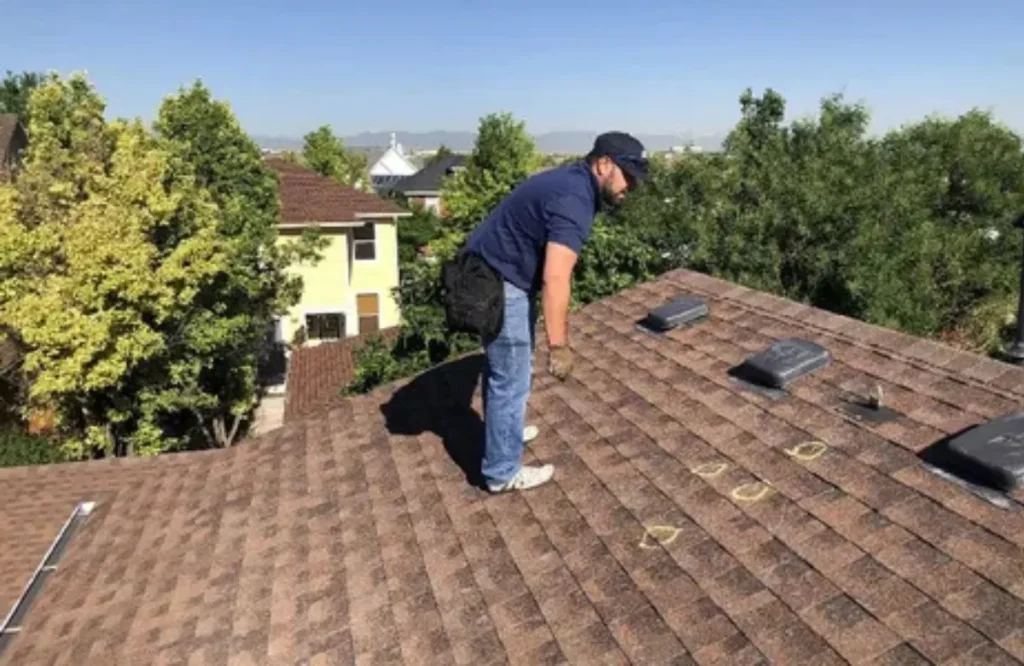
Post-storm activities would first of all be to inspect your roof. It is all right to see, but it is not worth taking the risk of climbing. Only a pro roofer can see dents, leakages, or even loose shingles, which most people would not notice. Take some pictures or videos, as well. The faster you manage to report the damage, the better your claim will be.
Have a Reliable Roofing Contractor Inspect the Roof
Consider your contractor as your representative. An inspection report by a roofer Inspector takes much more than a mere statement saying that I believe my roof is damaged. Also, contractors who have dealt with insurance firms are familiar with what adjusters seek, and they will be on hand to indicate it.
Check Your Insurance Policy
You should spend a few minutes and have a glance at your policy before you pick up the phone to make a claim. Verify your deductible and type of coverage, actual cash or replacement value. It is not thrilling, yet a short read now will save headaches in the future.
File The Claim
It does not need to be too scary to file a claim for the roof leak covered by insurance. You just need to do a bit of explaining: When the storm struck, what sort of damage did you observe, and what did your contractor discover? Complement that story with pictures and your report of inspection, and you will provide your adjuster with what he will need to get things going.
Get the Inspection Scheduled
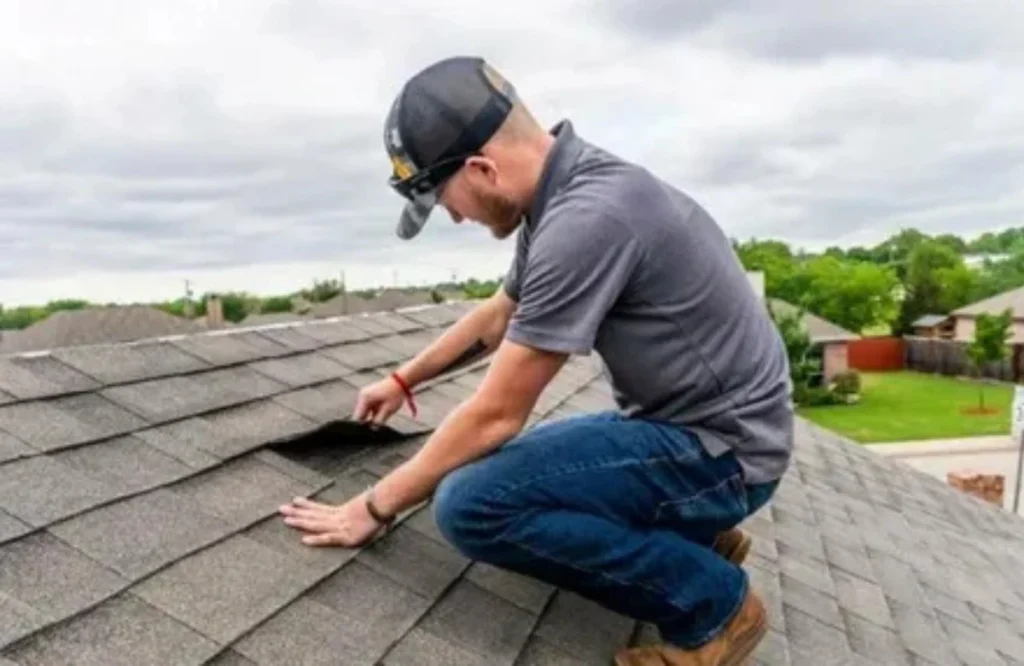
When you make your claim, an adjuster will be sent by your insurance company to assess the damage. They are the ones who will verify what you have reported and determine the extent to which the company will cover. Clean up rubbish and secure a safe roof before they come.
Negotiate the Claim (Where Necessary)
Adjusters underestimate damages or overlook some important issues. Should that occur, then it is time not to panic but to negotiate. Your contractor would be able to produce additional documentation or repair estimates to substantiate your claim.
Receive The Settlement
Once the adjuster is done with his report, you will be given a settlement. This is usually in two checks, the first one is paid in actual cash, and the other (recoverable depreciation) is paid when the repair is done.
In case of either denial of claim or payment that is lower than anticipated, go over the denial letter in detail. And you can always use your right to appeal with more paperwork on your part.
Roof Repairs/Replacement
After the money has been sanctioned, you need to have work done, select a qualified and skilled contractor to deal with the repairs or replacement. Remember that even when homeowners’ insurance covers roof leaks, it does not normally give the final payment until the repair work is done and checked.
The Final Inspection
Once you have done the repairs, have your contractor come in on a final walk-through. Ensure that all the damaged parts have been taken care of and that your roof is completely repaired. Check with your insurance company and make sure that they have officially closed the claim. Make copies of every report, photo, and receipt.
Conclusion
It might be confusing to start with, but the roof insurance claim procedure can be divided into a set of steps that will lead to the protection of your house and the repair of your roof. Since the start of documentation till the very end with the inspection, proactive work will provide you with the highest probability of a complete approval.
Hitchcock Roofing & Construction can be your reliable contracting partner throughout the process of inspection and repair for your roof leak insurance claim. Call us now to get started with the process.
FAQs
What do I do as soon as I realize there is a leakage in the roof?
Get the premises secure to avoid additional damages such as putting buckets under leaks and tarping the roof where it is safe. It is important to call your insurance company within 24-48 hours to initiate the claim process and record all that with photographs.
Does home insurance cover a leaking roof?
Yes, the majority of the standard policies are applied to the sudden leaks caused by storms or tree falls, but not the wear and tear or negligence. Look at your exclusion policy, which includes poor maintenance, to ensure that you are covered.
What is the average duration of a roof leak insurance claim?
The claims can be solved in 1-4 weeks, depending on the speed of adjuster checks and documentation. You can speed it up by providing elaborate photos and promptly responding to the requests of the adjuster.